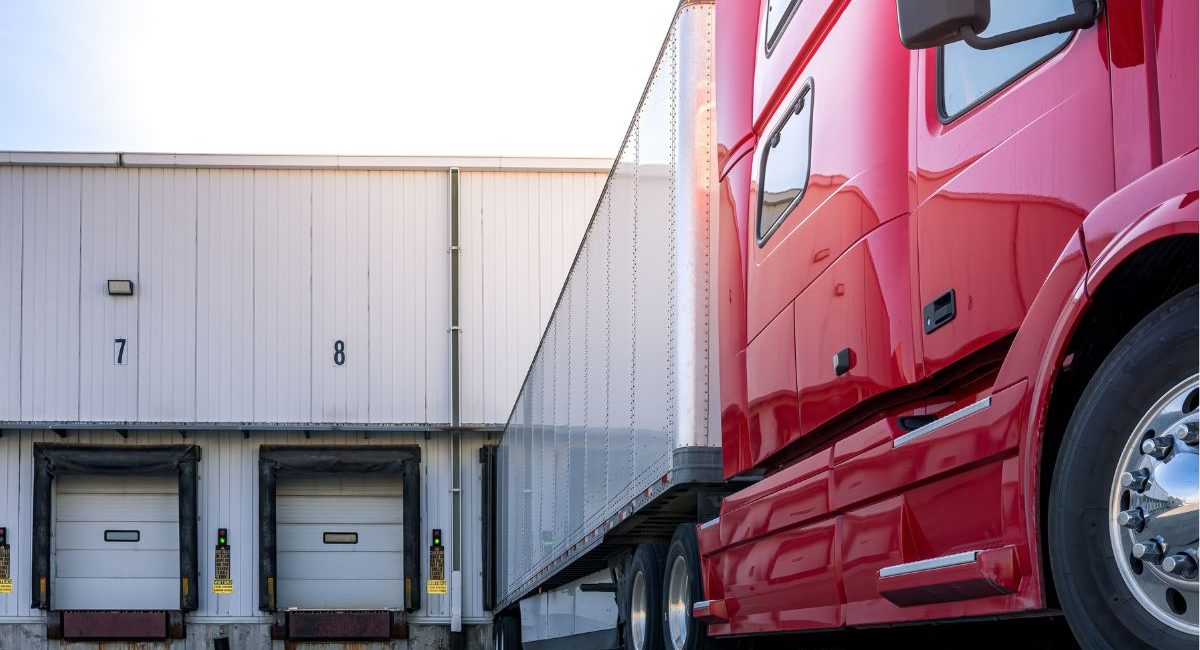
So many opportunities to move goods from here to there
Industry Description
The transportation and logistics industry encompasses businesses that move people and goods—by land, sea, or air—from one location to another. As a critical component of the domestic economy, the industry remains a major driver of commerce. According to the American Trucking Association, trucking revenues surpassed $875 billion in recent years, with trucks moving more than 10 billion tons of freight annually.
Over the past few years, the industry has seen rapid growth and innovation, fueled in part by the pandemic’s acceleration of e-commerce and the demand for more efficient supply chains. However, ongoing challenges persist, including supply chain disruptions, driver shortages, fluctuating fuel costs, and the increasing need for sustainable transportation solutions.
To stay competitive, companies must prioritize resilience and long-term strategic planning to navigate future supply chain disruptions. Forward-thinking businesses will reassess transportation strategies, strengthen partnerships, and engage in extensive scenario planning. Addressing labor shortages will require improved compensation and benefits for drivers or investments in autonomous vehicle technology. Additionally, implementing stronger cybersecurity measures and adopting greener technologies will be essential for maintaining security, efficiency, and sustainability in the evolving logistics landscape.